Fast first aid training is extreme deliberately. You are trying to find out abilities that individuals cover in a complete day, typically in a tight half-day or express first aid course. The speed fasts, there is extremely little fluff, and you are checked almost as soon as you learn something.
The good news: most individuals can pass a fast first aid course or express CPR training on the very first attempt, also if they have actually not examined in years. The distinction in between those who pass comfortably and those who scratch with is typically prep work and mindset, not raw talent.
I have actually instructed first aid and CPR courses for more than a years, consisting of fast first aid, fast CPR refresher course sessions, express childcare first aid training, and blended first aid and CPR training classes. The patterns are really clear. If you know what the trainers are in fact seeking, and you get here ready to find out, your opportunities of entrusting a first aid certificate on the same day go up dramatically.
This overview will stroll you with what matters, what does not, and just how to stack the odds in your favor for a first time pass.
What "fast" or "express" first aid really means
Different carriers use different tags: fast first aid course, express first aid course, fast CPR courses, fast cpr, express cpr course. The framework varies, however the core idea is comparable. You complete the same across the country acknowledged or certified first aid and CPR content, just in a pressed format.
The speed modifications. The knowing purposes do not.
In a basic first aid and CPR course, a teacher might invest a long time telling tales, gradually building scenarios, and checking understanding after each little block of content. In a fast first aid training layout, you get a focused description, you see the skill performed as soon as, you exercise it briefly, then you move on.
From a learner's point of view, this has consequences.
First, you can not depend on repeating. You might just see CPR demonstrated twice before you are expected to do reliable compressions in your analysis.
Second, you need to take obligation for your own gaps. If you drop off for 5 mins during a basic first aid course, the trainer may return to the topic once again later on. In an express first aid course, that same 5 min gap can mean you miss out on the entire description of recovery position.
Third, there is usually some form of pre-course research study. Several fast first aid courses change theory web content right into pre-reading or online components to maintain in person time concentrated on hands-on skills. If you disregard that work, the class session will certainly seem like a foreign language.
Passing a fast first aid course on the first try is much easier when you recognize that trade: much less class time, even more responsibility on you.
Choosing the appropriate fast first aid course for your goal
Not all first aid training is interchangeable. Before you book the local fast first aid course near me search result, get clear on what you really need.
Workplace needs, professional registration bodies, and childcare regulations usually define not simply "first aid", yet a specific type of first aid and CPR course, or perhaps a particular device code. An express child care first aid course, for instance, typically covers bronchial asthma and anaphylaxis protocols in far more depth than a standard CPR course.
If your objective is totally personal - having the ability to help family or friends - then a general first aid and CPR training course is usually sufficient. If you are a teacher, early childhood years worker, physical fitness trainer, aged treatment employee, gatekeeper, or similar, you may be needed to hold a particular fast certification that matches your role.
When looking at carriers, check three things specifically:
Is the course country wide recognised or accepted by your sector regulatory authority or employer? Does the fast first aid course or express cpr course include both theory and hands-on evaluation on the day? Does the carrier plainly define pre-course requirements, such as on the internet learning components or analysis?If those three are solid, fine details like area and car parking issue more than brand. A fast first aid course near me that you can actually reach kicked back and promptly deserves greater than a prestigious company that requires a two hour commute.
The night-before checklist that actually helps
The greatest mistakes trainees make in fast first aid and cpr courses frequently begin before they also enter the classroom. Neglect the idea of cramming realities from a giant first aid guidebook at twelve o'clock at night. You will not be checked on rare book trivia. You will be tested on whether you can smoothly and safely perform a sequence of activities on the flooring and answer simple questions.
Use your power on prep work that relocates the needle. Here is a straightforward night-before strategy that I have actually seen repay for thousands of participants:
Complete any online or pre-course understanding, including quizzes, gradually sufficient to recognize the thinking, not simply click with. Watch one reliable CPR training video and one standard bleeding control video, so the classroom abilities feel familiar rather than all new. Pack comfortable garments that lets you stoop on the floor and relocate openly - skirts that trip up or tight pants that reduced into your knees make method uncomfortable and distracting. Plan your traveling and get here 10 to 15 minutes early, so you are not flustered and rushing in as the fitness instructor starts the safety and security instruction. Sleep. A worn out brain makes more errors throughout scenario analyses and struggles with straightforward recall inquiries.Think of this as establishing yourself as much as soak up and do, not memorise and regurgitate. First aid is about clear reasoning under stress, and that begins with not undermining yourself the evening before.
What to expect on the day of your fast first aid course
Many learners stroll right into a fast first aid course with college exam anxiety. The environment is really much more useful and encouraging than most people expect.
A regular fast first aid and cpr course day looks something like this:
Sign-in, quick paperwork check, in some cases a verification of your finished online concept. Safety rundown, including infection control, manual handling, and how to collaborate with manikins and training gadgets without wounding on your own. Short theory refreshers, frequently through interactive questioning as opposed to lengthy lectures, to verify you have the fundamental principles from pre-course work. Skill presentations adhered to by hands-on method obstructs - CPR on grownups, infants, or children, recuperation placement, handling bleeding, choking response, bronchial asthma, anaphylaxis, possibly fractures or burns depending on the course. Formal analyses, which generally combine a functional demonstration (as an example, two minutes of continual CPR with appropriate technique) and a theory part (written solutions, spoken concerns, or multiple-choice examination).Fast cpr courses and express cpr training sessions are even more concentrated. You might just cover recognition of cardiac arrest, calling for aid, using an AED, and supplying compressions and breaths. The analyses, however, are still taken seriously. You should reveal that you can maintain correct depth and rate, and adhere to the triggers on an AED trainer.
Understanding this arc helps you speed yourself. Do not shed all your focus on the initial ability block and after that mentally clock out. A few of one of the most crucial, heavily heavy evaluations - such as consolidated first aid and CPR situations - often show up toward the end of the course.
The abilities that matter most in assessments
In every express first aid training space, somebody will get captured up in memorizing less crucial facts and disregard the foundations that pass or fail the course. Here is where to place your effort.
CPR: the non-negotiable core
First help and CPR courses rest on something: premium quality CPR. If you can not do efficient compressions, you will certainly struggle to accomplish a first aid certificate, no matter just how charming you are in discussion.
Most fast CPR courses evaluate the following fairly:
Depth. For grownups, this typically means pressing the upper body a minimum of one third of its depth, in practice generally in the 5 to 6 cm range. Superficial compressions are a common factor for review.
Rate. Target regarding 100 to 120 compressions per min. Instructors do not expect robotic excellence, but they do require to see a consistent, brisk rhythm, not frantic battering or slow pushing.
Recoil. Allow the chest to fully climb between compressions. Leaning on the upper body is a classic beginner error, particularly when you are tired.
Hand setting. In the middle of the upper body, reduced fifty percent of the breast bone for grownups, right strategy adjustments for kids and babies.
Continuity. Very little stops. Start compressions quickly after acknowledging cardiac arrest, and just pause briefly for breaths or AED motivates.
Most contemporary manikins made use of in fast cpr refresher courses give visual or audible responses on depth and price. Treat that feedback as your instructor, not as an annoyance. If you adjust when the lights show you are also shallow, you will likely do well in the official test.
Primary survey and prioritisation
In fap first aid structures, or any type of organized first aid method, the key survey is the foundation. It is the mental checklist you go through when you initially approach a casualty: danger, feedback, airway, breathing, flow, and more, depending upon the guideline establish your course uses.
Assessment scenarios typically track your ability to:
Check for threat to yourself and others before you touch the casualty.
Introduce on your own, request consent if suitable, and evaluate responsiveness.
Open the air passage appropriately, specifically in a less competent individual.
Check for regular breathing properly, not simply "chest moved as soon as".
Decide whether to begin CPR, area in healing placement, or deal with one more concern such as severe bleeding.
Many pupils focus on the beauty of bandaging and splints, and then skip the basic security actions. Trainers notice that within secs. If you can calmly talk via your primary survey while you act, you make their job much easier and your pass far more likely.
Bleeding, choking, and common emergencies
Depending on the details first aid course, you will probably be analyzed on a minimum of one of the following:
Controlling outside blood loss with straight pressure and dressings.
Managing choking in a responsive grownup, and recognizing how that adjustments for babies or expectant individuals.
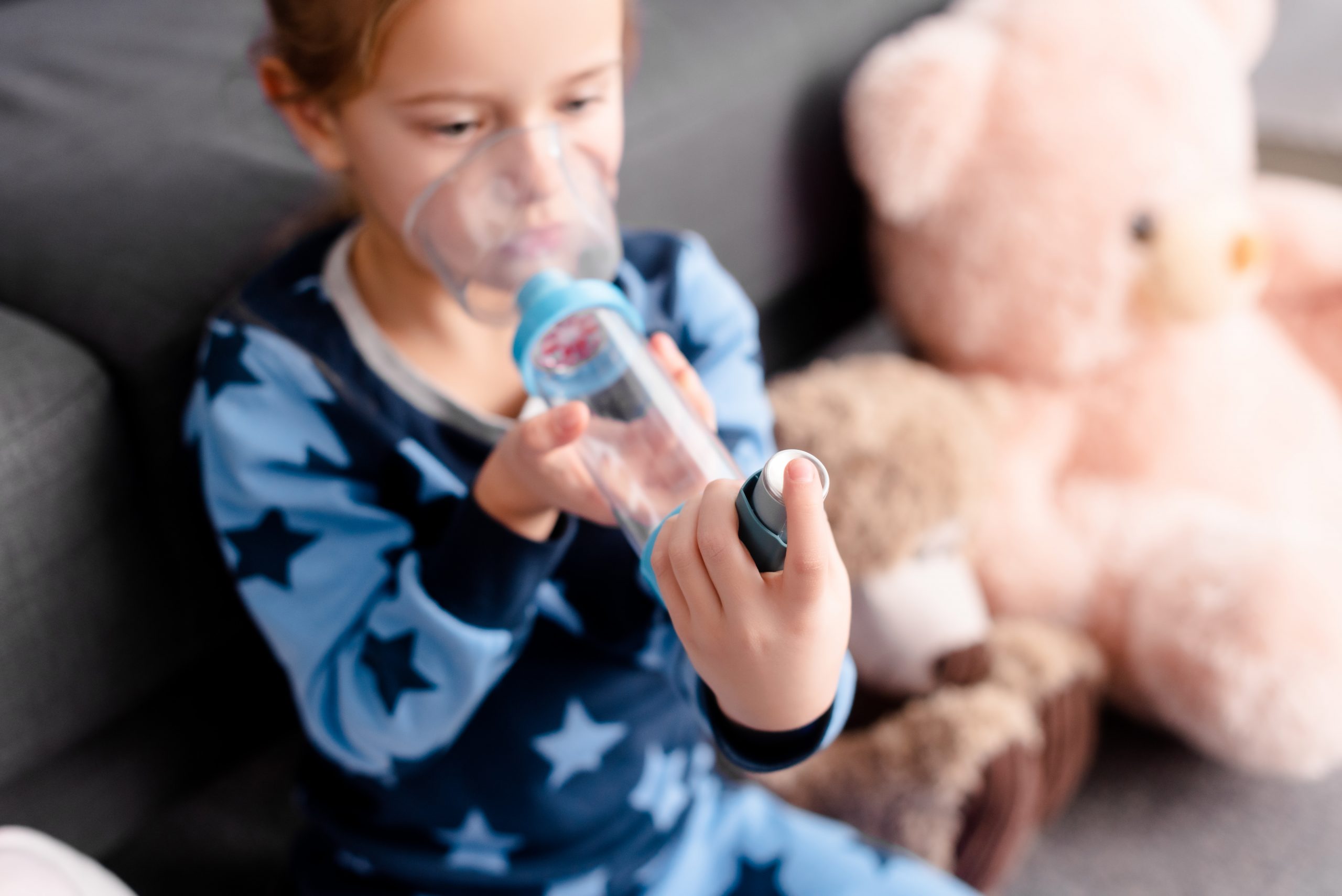
Recognising and responding to asthma or anaphylaxis, consisting of the use of inhalers or auto-injectors in child care or workplace contexts.
Handling unresponsive however breathing casualties, usually by demonstrating right recovery placement and recurring tracking.
Express child care first aid courses typically add extra depth on child-specific situations, such as febrile convulsions, allergies in kids with treatment plans, and usual play area first aid course Cannon Hill injuries.
You do not require clinical school degree knowledge. What trainers intend to see is appropriate use fundamental strategies and sound judgment: you identify a life-threatening trouble, you act quickly with the proper method, and you call for help appropriately.
How to examine properly for fast first aid and CPR assessments
Fast first aid courses press time, not material, so your study approach need to be lean and focused. Several participants over-read, under-practice, and turn up mentally overloaded.
A better pattern looks like this.
First, use the course's main learner overview, workbook, or on-line module as your primary recommendation. Ignore the lure to wander through arbitrary internet forums that may use various guidelines or out-of-date information. If your service provider has a details fap first aid manual or local standard set, stick to that.
Second, break content right into chunks based on likely analyses. For example, deal with CPR for adults, CPR for infants, choking, bleeding, and recuperation placement as separate micro-skills. For each, understand three things: when to utilize it, exactly how to do it, and typical mistakes.
Third, make use of active recall. Do not just check out CPR steps. Shut your eyes and speak on your own through what you would certainly do if a person collapsed before you at the supermarket. Aloud, when possible. When you get stuck, open up guide, right on your own, after that duplicate the scenario.
Fourth, imagine the atmosphere. If you know you will be working on manikins, think of stooping at their side, where your hands go, where your body weight is. If your course makes use of AED fitness instructor tools, picture turning one on and complying with the triggers. This sort of wedding rehearsal appears straightforward, but it cuts down doubt when the analysis starts.
Finally, if you struggle with composed tests, allow your trainer know early. Many providers can use sensible changes such as spoken examining, longer time, or different layouts, as long as the stability of the first aid and cpr course is preserved. They can not assist you if they only learn when you hand in a blank test paper.
Managing nerves and executing under pressure
The most capable students are not always the calmest. I have actually seen knowledgeable child care staff, who take care of scraped knees daily, freeze during the formal express child care first aid course analysis since they really feel watched and judged. At the same time, full newbies commonly do remarkably well, merely due to the fact that they listen, follow instructions, and do not overthink.
A couple of methods aid practically everyone.
Anchor yourself in the series, not the end professional CPR and first aid training result. Rather than believing, "I have to pass this first aid certificate assessment or my job goes to danger", assume, "Today my task is simply to check for risk. Now response. Now airway." Concentrate on the next proper action, not the entire scenario.
Talk your method via. Teachers assessing fast first aid courses are paying attention as long as they are watching. If you say, "I am checking for danger to myself and others. I am placing on gloves if offered," that reveals structured reasoning, also if your hands are a little awkward at first.
Use the manikin as practice, not efficiency. During skill stations ahead of assessment, treat every repeating as if it is the actual point. By the time the formal examination starts, your body will certainly understand what to do, also if your thoughts really feel scattered.
Breathe. It seems evident, yet lots of people hold their breath while focusing. Short, shallow breathing magnifies stress and anxiety and makes you tire faster throughout CPR. A few slow-moving exhalations prior to you begin can resolve your hands.


Remember that review is normal. Also if you do miss out on an action, a lot of trainers in fast first aid courses will certainly offer a 2nd chance within the day. They desire you to be experienced, not degraded. Recognizing that the first effort is not your only opportunity frequently takes some pressure off.
Common mistakes that screw up a newbie pass
With numerous classes behind me, I can virtually anticipate who will certainly have a hard time within the first hour. The patterns are that regular. If you stay clear of these catches, you currently boost your odds.
Arriving late or flustered. You miss out on the safety and security instruction, feel rushed, and invest the rest of the session on the back foot.
Skipping pre-course work. In fast first aid and cpr courses, fitness instructors presume you already recognize basic ideas. If you get here blank, the session ends up being remedial for you and irritating for everyone else.
Arguing guidelines instead of learning them. There is always a person that firmly insists, "Yet on that TV program, they did CPR differently," or, "My uncle, that is a nurse, says you ought to do it this way." Standards transform, and courses are assessed versus present requirements. Even if you disagree, you require to perform the instructed technique to pass.
Underestimating the physical side. Fast cpr, particularly on grown-up manikins, is actual work. Individuals with bad upper body stamina or injuries sometimes hit the wall surface throughout the assessment since they never ever exercised a complete two mins of compressions in one burst. If this may be you, examination yourself gently at home on a firm cushion or pillow to determine your endurance.
Switching off after lunch. The last hour of a fast first aid course often has crucial mixed scenarios and assessments. I frequently see interest drift as people psychologically head home. Do not allow your focus slip right prior to the goal.
The point is not to terrify you yet to highlight that a lot of barriers to passing are behavioral, not intellectual. Program up ready, interested, and participating, and you will certainly currently be in the top fifty percent of the room.
Making your new abilities stick after you pass
Earning the certificate is something. Having the ability to act months later on when an actual emergency situation occurs is another level. Fast certification formats are effective, however understanding can discolor swiftly if you never ever use it.
To maintain your first aid and CPR skills fresh:
Review your notes or student overview within a week and once more at the one month mark. Short, spaced refreshers assist secure against neglecting.
Teach a good friend or family member one simple skill, such as how to identify heart attack and begin CPR. Teaching is among one of the most effective means to strengthen your very own understanding.
If your provider offers optional brief practice sessions, especially for express cpr training, make the most of them. Even 15 minutes on a manikin every few months can maintain your method sharp.
Schedule your next fast cpr refresher course as quickly as your certificate gets here, even if it is a year or even more away. Having the renewal day in your calendar quits it from creeping up on you.
Stay curious when you run into actual events, also minor ones. If a kid in your care has a moderate asthma flare, as an example, emotionally go through how you would certainly escalate if it came to be extreme. That psychological rehearsal maintains the choice pathways clear.
Fast first aid courses give you a powerful toolkit in a portable bundle. Passing on the very first shot is less about cramming and extra about aligning just how you prepare with exactly how you will be analyzed. Recognize the structure, practice the core abilities, regard the physical work of CPR, and treat the day as a chance to become accurately valuable to other individuals when they need it most.
Do that, and leaving with your first aid certificate feels less like making it through an examination and even more like gaining a responsibility you are ready to carry.